
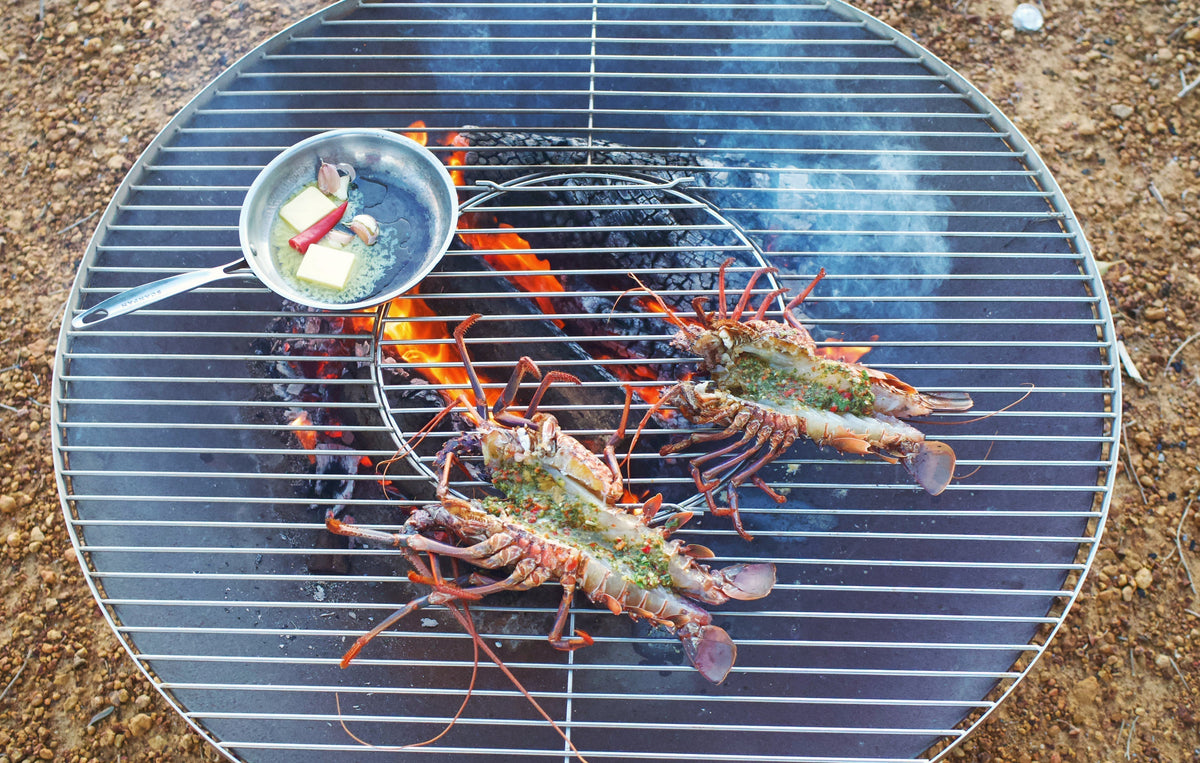
The short answer is yes. A fire pit is a legitimate cooking surface, and when you pair the right pit with the right grill, the results are genuinely good.
The longer answer depends on what you want to cook, which fire pit you have, and whether it is set up for the job. Here is a practical guide to cooking over a fire pit, including what to look for and which Milkcan models are best suited to it.
What makes a fire pit cookable?
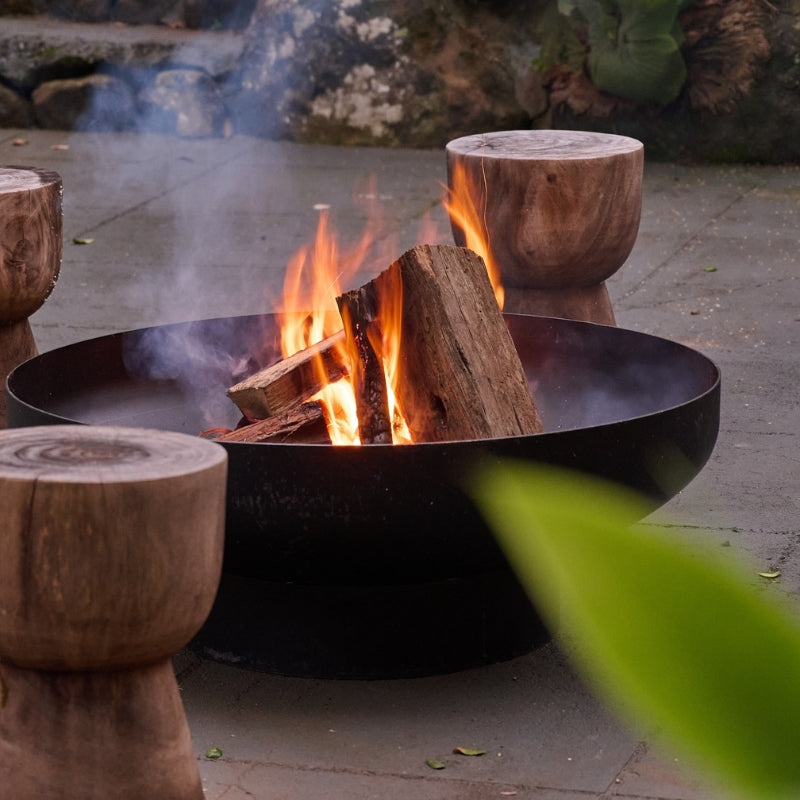
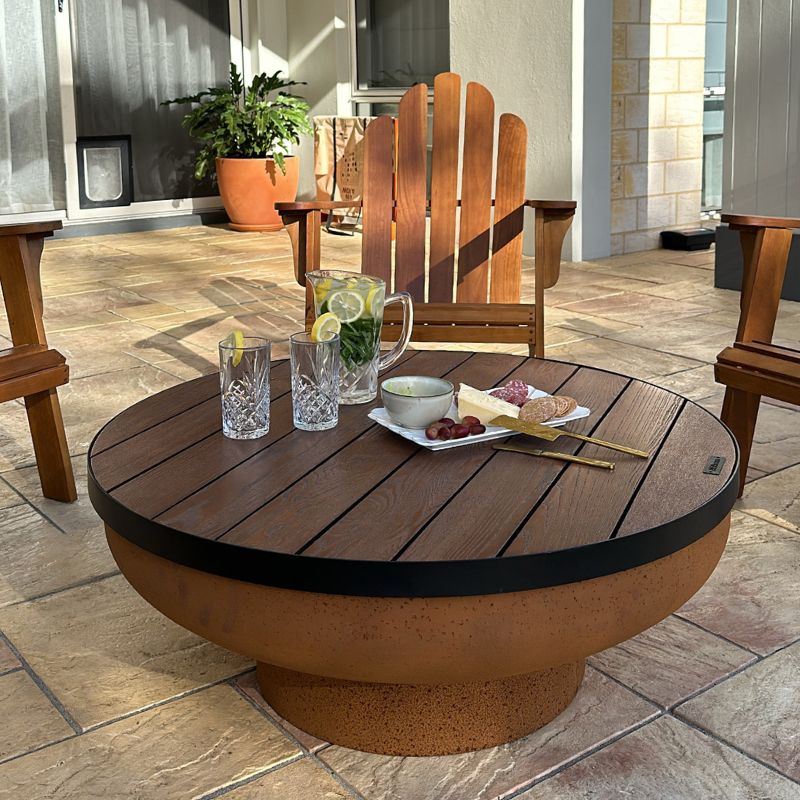
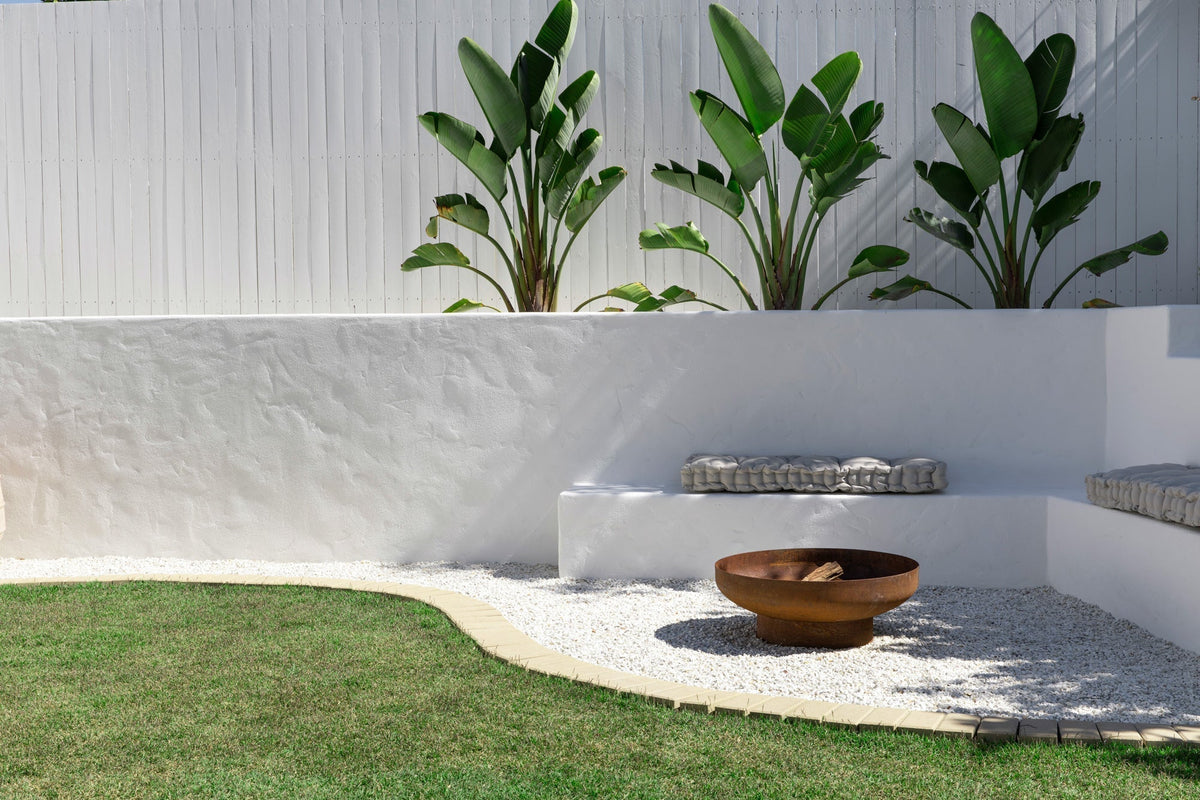
Not every fire pit is designed with grilling in mind, but most open flame wood-burning pits can support one if the bowl diameter is wide enough to sit a grill across it.
The key things to look for are:
Bowl diameter.
The grill needs to span the opening of the bowl and sit stable. A 70cm pit can work for simple snacks, but a 90cm or 100cm bowl gives you a proper cooking surface with room to manage heat zones.
Bowl depth.
A deeper bowl keeps the flame contained and gives you better control over cooking temperature. Shallow bowls tend to lose heat quickly and can make it harder to maintain an even burn.
Steel construction.
A fire pit with 3 to 4mm steel walls and a thick base handles sustained cooking heat well. Thinner materials can warp over time if they are regularly used for grilling.
Stability.
When a grill is sitting across the bowl with food on it, you want a pit that sits solidly on the ground. Wider bases and heavier builds make a meaningful difference.
What can you cook on a fire pit?
More than most people expect. The open flame gives you high, direct heat that is well suited to:
- Sausages, skewers and kebabs
- Corn cobs and vegetables
- Steak and lamb chops
- Fish in a grill basket
- Marshmallows, damper and camp-style breads
The experience is different from a gas BBQ. You are working with live fire, so temperatures fluctuate and you need to manage the coals as the wood burns down. That is part of the appeal. It is a more hands-on way to cook, and the flavour that comes from cooking over wood is something a gas burner does not replicate.
What grill do you need?

We offer a range of stainless steel grills and one cast iron option, sized to fit their fire pit range. They drop into the bowl and lift out once you are done, so setup and cleanup are straightforward.
Stainless steel grills are a good all-round choice. They heat up quickly, are easy to clean, and hold up well with regular use. The cast iron Sahara grill is designed for the Sahara 50 specifically and delivers the kind of even, sustained heat that works well for thicker cuts.
You can find the full grill range here.
Four fire pits that work well for cooking
Phoenix 90 - the backyard grill session
The Phoenix 90 is one of the most practical options for cooking. At 90cm, the bowl is wide enough to create distinct heat zones, which means you can sear directly over the flame and move things to a cooler section to finish.
Tucson 100 - for feeding a crowd
If you are cooking for a group, the Tucson 100 gives you the most cooking real estate in the range. The 100cm bowl is generous enough to handle multiple items at once without things feeling cramped, and the build is solid enough to hold up to regular grilling sessions.
Sahara 50 - compact and low smoke
The Sahara 50 is a compact low smoke fire pit that works particularly well in smaller backyards or courtyards where a full-size setup is not practical. Its double-wall combustion design reduces smoke significantly, which makes the cooking experience more comfortable for the people standing around it. It comes with a dedicated cast iron grill that holds heat well and is great for sausages, skewers and simple campfire-style cooking.
Sahara 70 - low smoke with more room
The Sahara 70 steps up the Sahara experience with a 70cm bowl, giving you a bit more cooking surface while keeping the low smoke benefits. It is a good middle ground for households that want regular backyard use without the smoke nuisance, and it takes a 70cm stainless steel grill.
A few practical tips
Let the wood burn down before you cook.
A roaring flame is great for ambience but difficult to cook over. Wait until you have a solid bed of coals and the flame has settled, then place the grill and let it heat up for a few minutes before adding food.
Use hardwood or untreated timber.
Softwoods burn fast and can produce excessive smoke and sparks. Hardwoods like red gum, ironbark or box burn long and hot, which is what you want for cooking.
Keep a pair of long tongs nearby.
The grill will be hot and you will want to move things around without getting close to the flame. It sounds obvious, but it is easy to underestimate how much heat comes off a 90 or 100cm bowl when it is properly lit.
Clean the grill while it is warm.
Letting grease cool and set makes it much harder to clean. A quick brush while the grill is still warm after cooking saves a lot of time.
Ready to try it?
A fire pit that doubles as a BBQ gets used all winter. If you have been getting value from your fire pit for warmth and ambience, adding a grill is a simple step that opens it up for something more.
Explore the fire pit range here.
Browse the grill collection here.

Leave a comment
This site is protected by hCaptcha and the hCaptcha Privacy Policy and Terms of Service apply.